Welcome to our Company

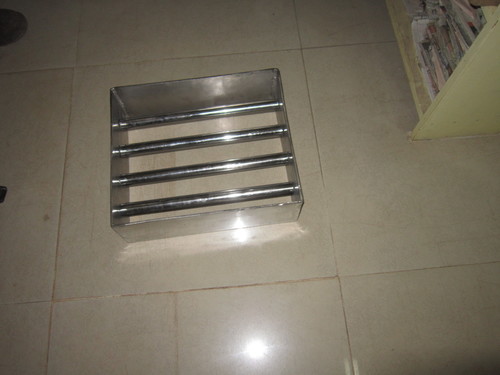
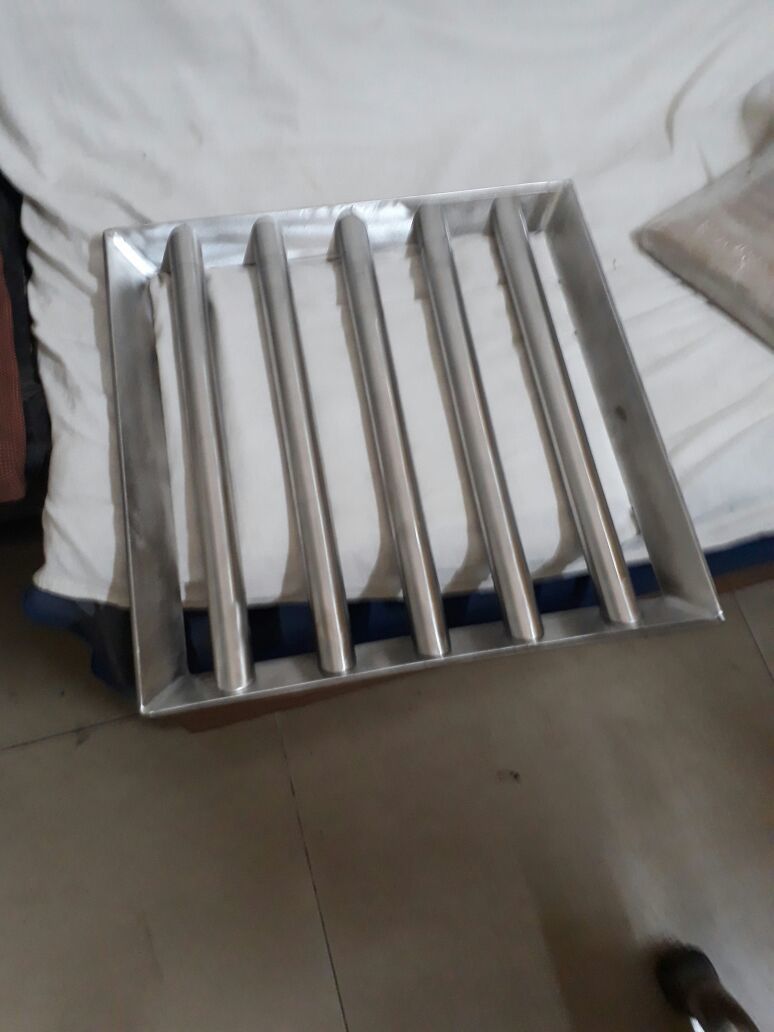
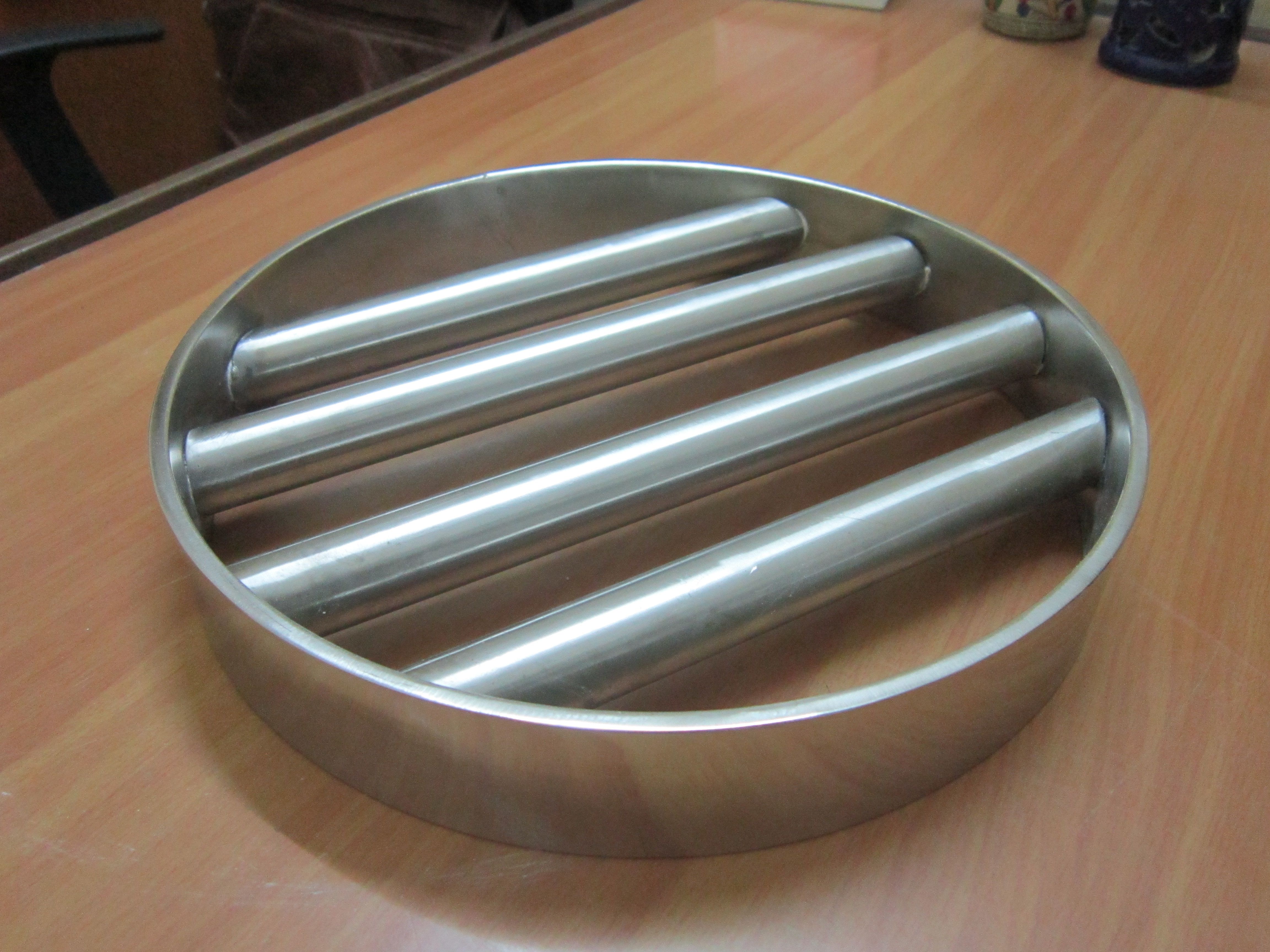
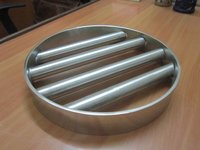
Rectangular Grate Magnet
15000.0 INR/Unit
Product Details:
- Composite No
- Magnet Grade N35, N40 or as per requirement
- Application Magnetic separation, tramp iron removal, food processing, pharmaceuticals, chemical processing, plastics, and ceramics industries.
- Material Stainless Steel (304/316) and High-Intensity Rare Earth Magnets
- Surface Finish Polished
- Product Type Magnetic Devices
- Magnet Category Other
- Click to View more
X
Rectangular Grate Magnet Price And Quantity
- 1 Unit
- 15000.0 INR/Unit
- 8000.00 - 50000.00 INR/Unit
Rectangular Grate Magnet Product Specifications
- Other
- Metallic Silver
- Other
- Other
- Polished
- No
- 0.1-0.5 Kg
- For the removal of ferrous contaminants from free-flowing materials
- 10 Kilograms (kg)
- N35, N40 or as per requirement
- Magnetic separation, tramp iron removal, food processing, pharmaceuticals, chemical processing, plastics, and ceramics industries.
- Customizable; standard sizes available from 100x100 mm up to 500x500 mm or as per request
- Magnetic Devices
- Stainless Steel (304/316) and High-Intensity Rare Earth Magnets
- Up to 80C (custom options for higher temperatures available)
- Can be installed in hoppers, chutes, ducts, or pipelines
- Flange or customized fixing arrangement available
- Typically 4-8 rods per unit (customizable as per size)
- 10,000-12,000 Gauss (on tube surface)
- Easy to clean (manual cleaning by sliding magnets out)
Rectangular Grate Magnet Trade Information
- Vadodara , Gujarat
- Cash Advance (CA), Cash in Advance (CID), Cheque
- 100 Unit Per Week
- 1 Week
- No
- Contact us for information regarding our sample policy
- Wooden Packing, Cardboard Packing
- Asia, Australia, Central America, North America, South America, Eastern Europe, Western Europe, Middle East, Africa
- East India, Gujarat, Karnataka, All India, South India, Central India, West India, North India, Nagaland, Rajasthan, Kerala, Lakshadweep, Mizoram, Meghalaya, Manipur, Andhra Pradesh, Chandigarh, Punjab, Assam, Delhi, Bihar, Daman and Diu, Goa, Jharkhand, Odisha, Andaman and Nicobar Islands, Arunachal Pradesh, Chhattisgarh, Haryana, Himachal Pradesh, Jammu and Kashmir, Dadra and Nagar Haveli, Madhya Pradesh, Maharashtra, Telangana, Tripura, Pondicherry, Sikkim, Tamil Nadu, Uttar Pradesh, Uttarakhand, West Bengal
- ISO 9001:2015 Certified Company
Product Description
Grate Magnet provides perfect protection from metal contamination. It is directly placed in the product stream which helps in free flowing products to in direct contact with the grates. This type of magnet can be placed on the bottom of the hopper as well as liquid tank, and can also be hung up. Moreover, the Grate Magnet is mainly constructed with one inch diameter magnetic tubes which is mounted on two inch centers in a frame. Its length and width can be made to any dimension as per the requirements.
Working Principal:
Features:
Application:
Additional Information:
Working Principal:
- It consists of S.S. Tube having dia of 28 mm, 32 mm and 38 mm with permanent magnet to have strong magnet guess on surface.
- Magnet tubes can be put together to have magnet grill or drawer grill or drawer tube with S.S. Housing.
Features:
- As staggered fixing of magnet in layer will give better contact of material to magnet Rods.
- Easily operate and clean ferrous material.
- Easy to inspect frequently.
- Economically cheaper than other type of motor driven magnetic system.
- Ideal when material has got tendency of free flowing.
Application:
- Chemical
- Fertilizer
- Food
- Iron ore
- Pan
- Paper
- Pharma
- Plastic
- Pulp and syrup
- Salt
Additional Information:
- Minimum Order Quantity: 1 Piece
Efficient Magnetic Separation
Rectangular Grate Magnets are designed for effective removal of tramp iron and ferrous impurities from free-flowing materials. Their robust construction and high magnetic strength enable consistent purification across a broad range of processes, supporting industries that demand reliability and precision.
Customizable Design and Application
These magnets come in standard or custom sizes, with rod quantity and fixing arrangements tailored to specific requirements. Their adaptability allows seamless integration into hoppers, chutes, ducts, or pipelines, ensuring versatility in installation and optimizing magnetic separation for varied operational environments.
Low Maintenance and Easy Cleaning
The units are equipped for easy manual cleaning by sliding out the magnet rods, minimizing downtime and simplifying maintenance routines. Stainless steel construction and high-intensity magnets provide long-lasting performance and safety, while the polished finish enhances hygiene, especially in sensitive industries.
FAQs of Rectangular Grate Magnet:
Q: How is the Rectangular Grate Magnet installed for optimal performance?
A: This magnet can be installed in hoppers, chutes, ducts, or pipelines using flange or customized fixing arrangements. The choice of installation depends on the flow and layout of your material processing line, ensuring effective magnetic separation.Q: What materials and industries commonly use the Rectangular Grate Magnet?
A: The unit is made from stainless steel (304/316) and rare earth magnets, and is widely used in food processing, pharmaceuticals, chemicals, plastics, ceramics, and similar industries requiring reliable removal of ferrous contaminants.Q: When should I consider customizing the size or rod quantity of my Grate Magnet?
A: Customization is ideal when your application involves non-standard hoppers, ducts, or pipelines, or when you require specific contaminant removal capacities. Standard units range from 100x100 mm to 500x500 mm, with 48 rods per unit, but configurations can be tailored as needed.Q: Where should the Rectangular Grate Magnet be positioned in a material handling process?
A: It should be positioned where ferrous particle contamination risk is highest, such as beneath discharge points, within feeding systems, or in transfer ducts, to effectively intercept and remove metallic impurities from free-flowing materials.Q: What is the cleaning process for maintaining the Grate Magnet?
A: Maintenance involves manually sliding the magnet rods out of the assembly to remove collected ferrous particles. Regular cleaning ensures sustained magnetic separation efficiency and prevents build-up in critical production zones.Q: How does the magnetic strength benefit my production line?
A: A surface magnetic strength of 10,00012,000 Gauss ensures high-efficiency removal of the smallest ferrous particles, protecting downstream equipment, preventing product contamination, and maintaining high product quality.Tell us about your requirement

Price:
Quantity
Select Unit
- 50
- 100
- 200
- 250
- 500
- 1000+
Additional detail
Mobile number
Email

Other Products in 'Industrial Magnet' category



Contact Us

- 611/B-110, GIDC, Makarpura,Vadodara - 390010, Gujarat, India
- Phone : 08045478976
FORCE MAGNETICS
Makarpura, Vadodara, Gujarat, India

- Mr Ravi Patil (Proprietor)
- Mobile : 08045478976
- Send Inquiry
 Send Inquiry
Our Products
 Send Inquiry
 Send SMS
 Call Me Free
FORCE MAGNETICS
All Rights Reserved.(Terms of Use)
Developed and Managed by Infocom Network Private Limited.
Developed and Managed by Infocom Network Private Limited.


 English
 Spanish
 French
 German
 Italian
 Chinese (Simplified)
 Japanese
 Korean
 Arabic
 Portuguese